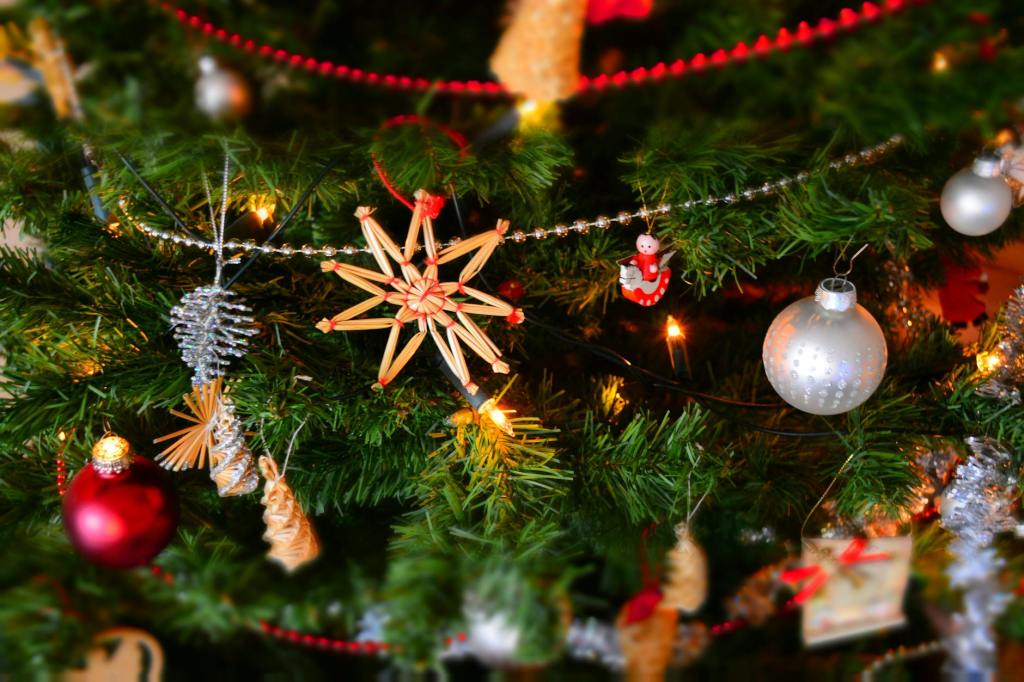
Although Christmas is an inherently Chirstian tradition, celebrating the birth of Jesus Christ, many of the symbols associated with it stem from older traditions and celebrations of Yule and the winter solstice.
I’ve talked a little bit about how some bemoan the secularisation of Christmas in a previous post, and I’m going to discuss it in a little bit more detail today. As I mentioned in that post, I no longer view myself as a Christian in practice, but I don’t separate myself from the fact that a Christian upbringing has influenced me as a person.
There are many holidays that draw parallels to Christmas celebrations from different time periods – this article from the Loudon Museum explores them in quite a lot of detail. For the sake of clarity, I’m going to focus on some of the key symbolic figures used during Christmas and talk a little bit about their origins.
Christmas Trees
It’s no secret that paganism is rife with symbolism, and the Christmas tree – a beautifully adorned evergreen, usually a spruce, fir, or pine – is one of these symbols. An evergreen tree can represent many things – for me, I think of life, vitality, hope, and resilience.

Mistletoe
We now primarily associate mistletoe with surprise Christmas kisses. In years gone by, the Druids believed that the plant was lucky (and luck and prosperity is a running theme this time of year), and Ancient Greeks used it medicinally, and the romantic connotations stem from Norse mythology. We now know, however, that it’s a parasitic plant and mildly poisonous. Perhaps not the best symbol of love and vitality, then.
Santa Claus
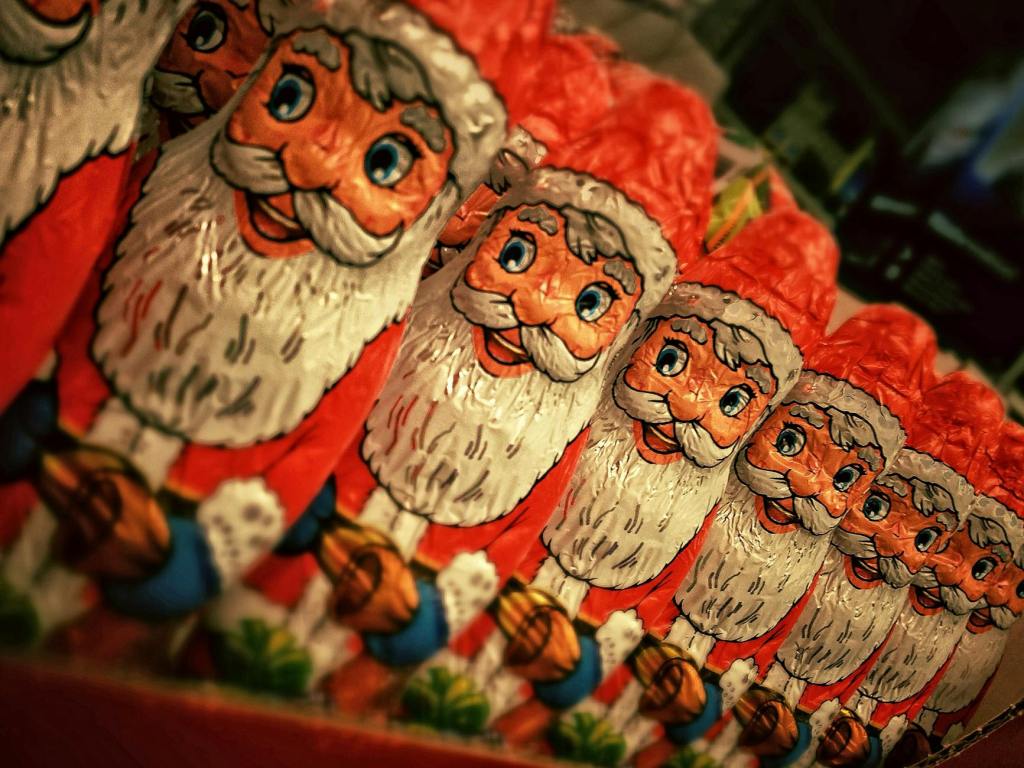
Although the religious inspiration behind the character of Santa Claus is often cited as St Nicholas, the current figure we have today is a composite figure of a number of traditions. His kindly older man rendition stemmed from 17th Century drama and Father Christmas was originally separate from Santa Claus. The figure resurged in popularity during the Victorian Era – perhaps most notably with The Ghost of Christmas Present in A Christmas Carol, who was influenced by the pagan figure of the Green Man. And, contrary to popular belief, this change to red was not caused by Coca-Cola.
Yule Logs
As nature-inspired aesthetics become more popular, it seems to me that more traditional forms of the Yule log are coming back into fashion. Perhaps they never went away, but they certainly weren’t a staple in my household. The only Yule logs we had were chocolate cake (that always cracked when you tried to roll them). Both versions originate from a ritualistic burning of a log over the 12 days of yule to invoke the return of the sun God.
Wreaths
Wreaths aren’t only used at Christmas, but they certainly seem to be more popular at this time of year. They were adorned as jewellery, used as protective charms to appease gods. Adorned with different natural elements, they can be used to symbolise different wishes and desires.

I think it’s really interesting to look at the origins of these traditions. From my research, I noticed a lot of particularly defensive Christian blogs denying any pagan roots in any of their traditions, and I think this is disingenuous. Learning about different religions in the past, I could see parallels between different celebrations – how they had similar central tenets and ideas behind them, but perhaps the traditions were different. I also view it as similar to the way language evolves over time – all of these traditions represent something, much the way words represent ideas and concepts. I don’t think it’s problematic to acknowledge that the way we celebrate something has ancient roots and has taken on a life of its own.
What other examples of modern practices are rooted in historic events? I’d love to hear your most interesting examples in the comments!

 The Opaque Elephant
Leave a comment