We’re in the final week of the month of self-love! Today, I wanted to discuss a little about the power of self-care, and what self-care might look like and why it’s important to engage in.
For the longest time, I thought that self-care was synonymous with pampering. Think long bubble baths, face masks – and probably a bottle of wine to go with it. This certainly provided temporary relief from the stresses and strains of life, but over the past two years, I’ve been working on more consistent ways to take care of myself.
Essentially, self-care boils down to looking after your health. This can be your physical health, your mental health, and your emotional health. It might also involve how you navigate relationships and maintain a healthy social life. But it all links back to taking care of your needs.
For today’s post, I want to focus on looking after yourself in relationships – in all their forms.
I do have an older post about finding community that may also be of interest, and another one exploring the difficulties in human connection. They may help you explore this concept more fully.
How Relationships and Social Self-Care Improve Wellbeing
Socialising is important to our wellbeing, and there’s a lot of talk about the loneliness epidemic at the moment. Almost half of adults in the UK report feeling lonely at least occasionally.
Feeling isolated can come with a long list of potential health consequences: it can increase your risk of diabetes, heart disease, experiencing depression and anxiety, and even dementia.
It follows, then, that making connections with people is an act of self-care. I think there’s a deep-seated need for us to feel connected to other people. Socialising can cause our body to release endorphins, leading to less stress and feeling happier. It might encourage us to engage in new activities, leading us to feeling more fulfilled with our lives.
I’ve certainly experienced the benefits of this myself. It took me a long time to make friends when I moved to England; I socialised plenty in work, but I didn’t have many actual friends, and it made life a lot harder than it needed to be. Now that I have friends, though, I find that a lot of the difficulties I’ve experienced have dissipated – or at least become easier to deal with.
Why Healthy Boundaries are Essential for Stronger Relationships
That’s not to say that it’s always been plain-sailing, though. There were a lot of learning curves to making friends as an adult.
Sometimes, I found myself so desperate for human connection that I would allow unhealthy dynamics to develop. As a woman who attends a lot of events on her own, I found that men would approach me under the guise of friendship, when they actually had very different intentions.
I’ve found some connections to feel imbalanced – where a lot of give is expected, without it being reciprocated.
That’s not to say that any of these people are bad people, but it has taught me a lot about setting clear and refined boundaries. I wish that it was always as simple as that – I’ve found that some people see boundaries as challenges or something to be tested. I’m still learning how to navigate that, but I’ve found that the relationships I do develop now are much healthier because I’ve developed the confidence to explicitly state what I need or expect from people.
How to Set Healthy Boundaries in Relationships
At their core, boundaries are about communication. You need to do a lot of soul-searching to understand how you want your relationships to proceed, what you want them to look like, and what you want from them.
Everyone is different, and everyone wants something different from relationships – especially different forms of relationships. There’s not really a hard and fast way to guide you to understanding what you need, as you’ll need to reflect on your past relationships to understand what you want.
I’ve found as I have more experience with other people, my understanding of myself and my needs may change. I’m constantly re-evaluating what I want or need from other people, and adjusting how I set my boundaries based on that.
Once you figure out what you want, you need to communicate that to people. If something makes you uncomfortable, you need to say it.
I’ve spent a lot of my life being a people-pleaser – maintaining peace with people who make me uncomfortable or make me sad in the fears of hurting their feelings. I’m not like that anymore. I’m much more comfortable in saying no to things, expressing what I need, and being frank with people when they make me uncomfortable. I’m liberal with my block and unfriend buttons.
Whilst I don’t think it’s right to deliberately hurt someone, I think it’s much better to be clear with your words. I’ve been subject to wishy washy messaging that has deliberately been used to avoid a confrontation, but I find it disingenuous. One thing that does help with being direct is framing it as “I need _____” instead of “You are ______” – making it about yourself and what you want rather than about the other person.
Some ways of structuring your boundaries statements that might help you make “I” statements could look like:
- “I feel…”
- “I need…”
- “I didn’t like… because it made me feel…”
- “I’m not okay with…”
I’ve seen some resources with much longer lists of complete phrases, but I feel like very specific ones are harder to use. I think the key is making it more about yourself and your reactions, rather than what the other person did or didn’t do. You can still refer to actual things they’ve done or said, but by making it about how you felt or the reaction it caused in you, it’s less likely to come across as an attack on the other person.
Of course, sometimes people need a more direct calling out. Sometimes they need to be told that their actions are universally disgusting or inappropriate. But that is incredibly contextual and not appropriate for minor slights.
I hope this post has been useful in examining how to set boundaries. If you do find my work supportive and helpful, you can support my work by sharing, commenting, or giving small monetary contributions via Ko-Fi!
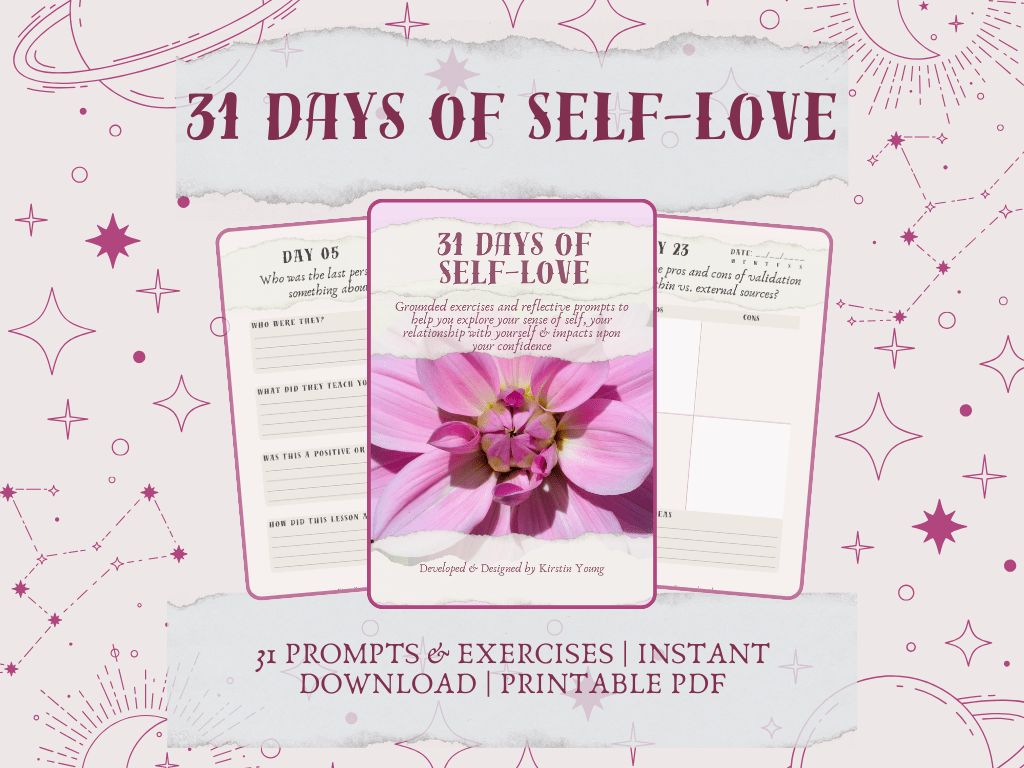
Alternatively, if you’re looking for structured writing prompts to support your self-discovery, I have several reflective eBooks available via Ko-Fi and Etsy for digital download 🙂


If you have any other phrases you use in setting boundaries, I’d love to hear them in the comments!


 The Opaque Elephant
Leave a comment