We’re well and truly in the month of inspiration now, and this week I want to explore some concepts around taking inspiration from nature and how that thinks into some areas of philosophy and artistic movements.
I’ve been talking a lot about how nature can inspire, and it’s a recurring theme on my blog about finding moments in nature to celebrate. I’m going to draw from my experience as an English teacher and a fond student of history and delve into some of these ideas through Romanticism.
Have you ever stepped into a landscape and felt something shift in your chest? A quiet hush, a strange comfort, or a sense of standing in the presence of something ancient and vast? Perhaps you’ve looked at an outstanding view and felt all of your problems and worries melt away.
Being a ‘Hopeless’ Romantic
I often describe myself as a Romantic – capital ‘R’. Oftentimes, this is met with confusion, as people think I mean the type obsessed with love and relationships and marriage.
Rather, I’m talking about the response to the Enlightenment. The artistic movement that challenged the emphasis on science and reason and thrived on drawing inspiration from nature, of delving into feelings, and prioritised self-expression.
I still, of course, see value in order and science. I love discovery and understanding things. But I don’t think that’s what makes me feel human.
I still have a sense of wonder and want to understand how things work. I love looking up the science behind the awe-inspiring things I see, but I also love unpacking how those things make me feel.
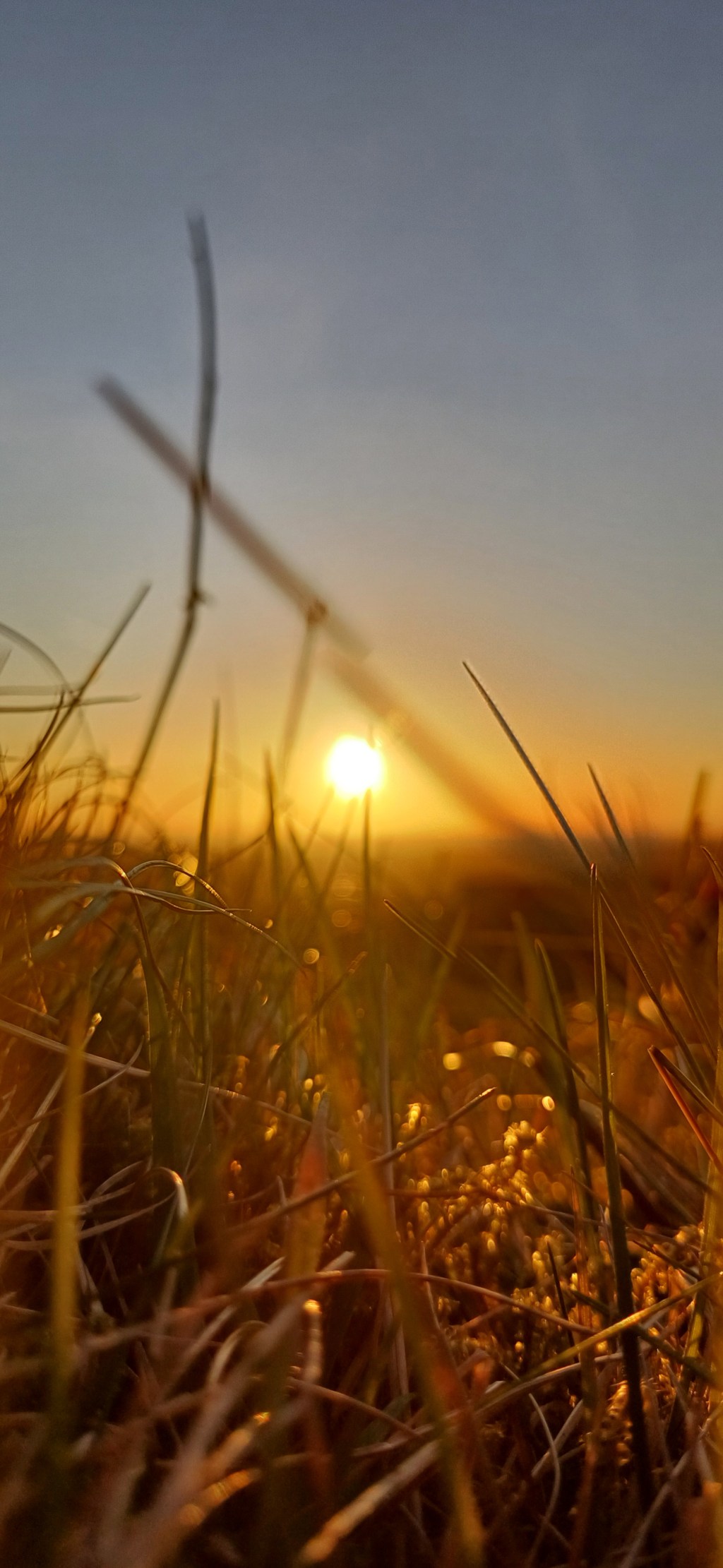
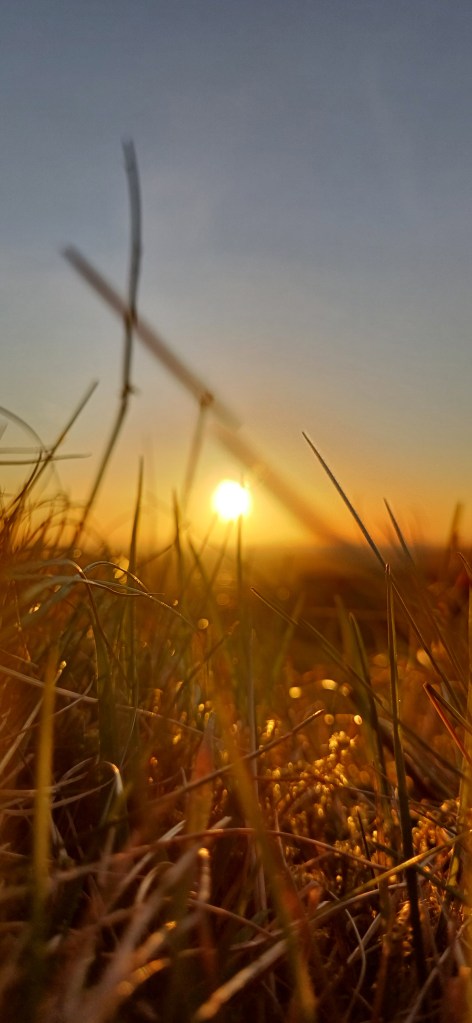
I recently stopped on the outskirts of the Peak District to enjoy a sunset. Whilst I could have spent time exploring what creates the golden glow I so admire, I could have thought about the trajectories of light and the maths of the equations, I instead wanted to just centre everything on enjoying the moment.
Feeling the breeze on my skin, the grass between my fingers, the glow of the disappearing sun on my face… That was more important to me than anything else.
The Romantics and The Sublime
The Romantic poets and artists were obsessed with the idea of nature as both a mirror and a mystery. They often sought what they called the Sublime – a kind of overwhelming beauty mixed with awe, sometimes even fear — especially in wild places like mountains, cliffs, and untamed coastlines.
If you’ve ever stood on the edge of a valley or looked out over a vast sea and felt your thoughts scatter, you’ve met the Sublime. If you’ve done AQA English Literature recently, you’ll have found this feeling in The Prelude.
You might be a horror fan and you’ll be familiar with this concept in Mary Shelley’s Frankenstein – how nature both terrifies and soothes Victor at different points in his journey.
Sometimes this overwhelming feeling can melt away your problems. You realise how tiny you are in the grand scheme of things. You realise that, whilst the world isn’t perfect and there are so many things we can and should worry about, there’s also power all around us.
Using the Sublime as Inspiration
Whilst I’m not anywhere near the level of Wordsworth’s poetry, I think we can all follow in his footsteps – in the footsteps of any of the Romantics – by taking inspiration from these moments.
From watching buds and blossoms appear, to feeling the rain refresh the ground, or feeling like we’re cradled by the planet when we climb a mountain.
It may inspire us creatively – to write poems or stories, to create paintings or sculptures, to film and capture. However, it can inspire us in life, too. We can reflect on how small we are, how we connect to Earth, how nature teaches us lessons.
It might be a weed showing resilience in seemingly adverse conditions. It might be how quickly the skies can change. It could be how rivers change course when needed.
Whilst when we talk of inspiration we often mean creative inspiration, we can also take it as spiritual inspiration, life inspiration, or inspiring actions or habits. It’s up to you to decide how to interpret it.
Inspiration Is Waiting Everywhere
When I create my workshops and resources, I try to invite people back to this way of connecting: with the natural world, with quiet noticing, with the kind of inspiration that isn’t forced. Whether it’s through journaling with tarot, working with nature symbolism, or exploring creative writing and self-reflection — my hope is always to help you build gentle tools for finding meaning, both within yourself and in the world around you.
Inspiration is always there, waiting. All it asks is that you slow down and pay attention.
Want to explore this more?
You might like one of my upcoming workshops, designed for curious, creative souls who want to explore without pressure. You can explore the options for May over on Eventbrite.
Or simply try this: take yourself for a wander this week, no destination, no playlist, no task list. Take time to notice the size of the trees, the shape of the landscape, the changing tides or skies. Just notice the personality of the places you pass through. Who knows what inspiration might meet you there?

 The Opaque Elephant
Leave a comment